
← Strength & Longevity Articles
Strength Training at 30 vs. 50: What's Really Different?
Getting older doesn't mean training easier. It means training with purpose.
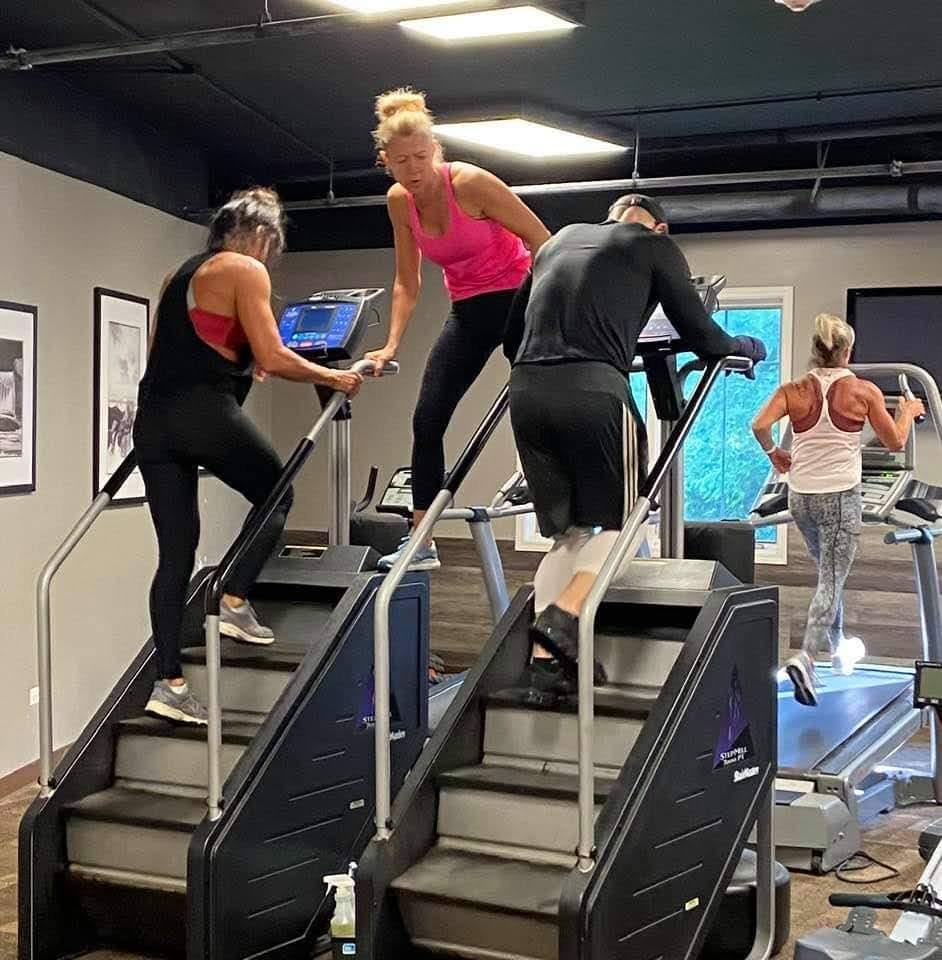
We often talk about specializing in strength training for adults over 45 at Premier Fitness Solutions.
But what does that actually mean?
What's the difference between training someone who's 30 and someone who's 50, 60, or even 70?
First, let's get something straight.
Turning 50 doesn't mean you suddenly need lighter weights, easier exercises, or less challenging workouts!
We work with people in their 50s, 60s, and 70s who are incredibly strong, fit, athletic, and capable. Some could easily give a 30-year-old a run for their money!
The difference isn't necessarily how HARD you train.
It's HOW you train.
As we age, our muscles, tendons, connective tissue, and joints undergo changes. Recovery may take longer, and mobility we once took for granted may need more attention.
But chronological age alone doesn't determine how someone should exercise. Training experience, physical condition, previous injuries, goals, and individual abilities all matter.
At Premier, we focus on five important principles.
1. Prepare Your Body for the Workout Ahead
A good warm-up should do more than increase your heart rate.
Five minutes on a treadmill might get your blood flowing, but does it prepare your hips, shoulders, spine, and connective tissue for the movements you're about to perform?
Not necessarily.
We believe in purposeful warm-ups that prepare the body for the actual workout.
That means incorporating movements that improve mobility, gradually load the muscles and joints, and prepare the body for the strength exercises ahead.
A good warm-up isn't wasted workout time.
It's part of the workout.
2. Train the Body as a System, Not Just Individual Muscles
Your body doesn't move one muscle at a time in everyday life.
Think about lifting a suitcase, carrying groceries, reaching overhead, walking up stairs, or picking something up from the floor.
These movements require multiple muscles and joints to coordinate.
Your connective tissues, including fascia, also help transmit forces throughout the body.
That's why our training includes full-body movements, unilateral exercises, rotational patterns, carries, and exercises that connect the upper and lower body.
We want your body to work together efficiently.
Does that mean isolated muscle exercises are bad?
Absolutely not!
They can be extremely valuable for building strength, addressing specific weaknesses, and developing muscle.
But we also want to take that strength and apply it to how your entire body moves.
Because strength is even more valuable when you know how to use it.
3. Make Mobility Part of Strength Training
Mobility isn't just about stretching before or after your workout.
It's about having the ability to move your joints through useful ranges of motion with control and strength.
And that becomes increasingly important as we age.
At Premier, we incorporate mobility into our strength workouts rather than treating it as a completely separate activity.
We use controlled movements, appropriate ranges of motion, and exercises that challenge both strength and stability.
The goal isn't simply to become more flexible.
It's to become stronger in the positions your body needs for everyday life.
4. Stop Confusing Exhaustion With Results
Somewhere along the way, fitness became associated with how exhausted you feel after a workout.
How much did you sweat?
How many calories did you burn?
Could you barely walk the next day?
But being completely wiped out doesn't necessarily mean you've had an effective workout.
And constantly beating up your body isn't the goal.
If you want to build strength, maintain muscle, improve body composition, and support long-term health, progressive strength training should be a priority.
Cardiovascular exercise is important too.
Walking, appropriate interval training, and other aerobic activities can all be valuable parts of a balanced fitness routine.
You don't have to spend endless hours doing cardio or turn every strength workout into a high-intensity competition.
The goal is progress, not punishment.
And yes, you can still train HARD!
5. Respect Recovery Without Being Afraid to Challenge Yourself
As we age, recovery capacity can change.
Sleep, nutrition, stress, training history, and overall health all influence how well our bodies adapt to exercise.
That doesn't mean people over 50 should avoid challenging workouts.
In fact, maintaining and building muscle becomes especially important as we get older.
We need enough resistance to stimulate strength and muscle development.
But we also need appropriate progression, good movement quality, and time to recover.
Training hard and training intelligently are not opposites.
They should work together.
So, Is Strength Training Really That Different After 50?
Here's something important.
Everything we've discussed is good training advice for a 30-year-old, too!
A 30-year-old with limited mobility, poor recovery habits, or years of sitting at a desk may need more preparation than a well-trained 65-year-old.
And a healthy, experienced 60-year-old may be capable of lifting heavy weights, training intensely, and performing challenging athletic movements.
Age alone doesn't tell us what someone can do.
But as we get older, maintaining muscle, strength, mobility, and physical capacity becomes increasingly important.
And that's where a thoughtful, individualized approach makes a difference.
How We Approach Strength Training at Premier
At Premier Fitness Solutions, we specialize in helping adults 45+ build strength, improve body composition, move better, and stay active for years to come.
But we don't train people based on the number on their birthday cake.
We train the person standing in front of us.
Whether you're returning to exercise, already active, or looking to take your strength to the next level, we meet you where you are and help you move forward.
We believe in challenging workouts, purposeful movement, appropriate progression, and a welcoming environment where you can feel comfortable working toward your goals.
Because getting older doesn't mean training less. It means training with purpose.
Premier Fitness Solutions — Strength Coaching for Life.
Ready to Get Stronger?
Learn more about our Small Group Strength Coaching, Semi-Private Coaching, and Private Training options in Algonquin, Illinois.
Explore Our Coaching Programs